Alkyd resins, Appliance finishes, Binder in paints & linoleum, Can coatings, Caulks, Circuit boards, Coatings, Enamels, Furniture polishes, Paints, Plasticizers, Printing inks, Resins, Sealants, Stains, Varnishes, Wall boards, Waterproofing raw wood or concrete floors
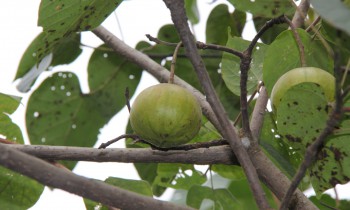
Tung Oil, also known as Chinawood oil, is derived from the Tung nut. It is comprised of palmitic, oleic, linoleic and alpha-eleostearic acids, the latter as much as 88%.
Linseed Oil comes from the seed of the Flax plant and is comprised of Palmitic, Stearic, Oleic and Alpha-Linoleic (nearly 52%) and Omega 3 fatty acids. Linseed oil is a drying oil usually used on its own or in combination with other oils. It can be produced in different grades – Raw Linseed Oil, which dries slowly; Refined Linseed Oil, which has been neutralized, degummed and bleached; Boiled Linseed Oil, which contains dryers to speed up drying time and Polymerized Linseed Oil or Heat Treated Linseed Oil, which is used as an additive for solvent based quick drying products.
Castor oil is a lubricating agent which becomes a drying oil when the OH group molecule is removed. This drying oil is called Dehydrated Castor oil and should not be confused with Dried Castor oil, which is Castor oil with the moisture removed. Dehydrated Castor Oil G-H is a non-yellowing oil with good flexibility, toughness and adhesion and is a good substitute for Linseed oil, although it is generally more expensive. The Polymerized Version (Viscosity Z2-Z3) produces a product with faster drying time and a lighter color.